





Swimming Signage

Swimming Area Signage

Safety at the seaside or around bodies of water is a top priority for local authorities, beach managers, and establishments offering aquatic activities.

Why is swim signage so important?

It informs and guides the public, ensuring a safe and enjoyable aquatic experience. Proper signage helps prevent accidents, warns of potential hazards, and regulates behavior in often unpredictable environments.

2022 Regulation on Mandatory Compliance for Swimming Flags :

As of March 2022, regulations require all public swimming areas to have clear signage that meets the standards set by the French Standards Association (AFNOR).

According to these regulations, beaches must display swim flags, such as the red flag, to warn the public of hazardous swimming conditions. Additionally, a surveillance system, such as lifeguards or cameras, must be in place, along with an emergency plan to ensure the safety of swimmers.

It is mandatory to communicate potential risks to swimmers through this signage to provide a safe experience for everyone.

The Meaning of Swimming Flags

Beach safety flags are essential for informing swimmers about current conditions and potential dangers. The red flag indicates a total ban on swimming due to hazardous conditions, such as strong currents or powerful waves, ensuring the safety of beachgoers.

The yellow flag signals that swimming is permitted but requires caution. Conditions may be unstable, with moderate waves or currents, demanding extra vigilance from swimmers. In contrast, the green flag means that swimming conditions are ideal, providing maximum safety for a worry-free experience.

For areas designated for specific activities, the blue flag marks zones reserved for water sports, prohibiting swimming to prevent accidents. Lastly, the black-and-white checkered flag is for surfers and beach equipment, also banning swimming in these areas to maintain safety. These flags play a crucial role in effectively communicating sea conditions and helping swimmers make informed decisions about their safety.

Importance of Swimming Signage to Reassure and Inform the Public

Setting up clear and compliant bathing signage is essential for ensuring the safety of swimmers and adhering to current regulations. By informing the public of bathing conditions, it helps prevent risky behavior and reduces the dangers associated with the sea, while allowing local authorities to meet their legal safety obligations.

This signage also plays a crucial preventive role by quickly communicating potential dangers to swimmers, whether they be dangerous currents, strong waves, or zones reserved for other water activities. With well-defined color-coded flags and explanatory signs, beachgoers can make informed decisions, significantly reducing the risk of accidents or incidents on the beach.

In addition to enhancing safety, well-implemented signage contributes to creating a more serene and welcoming environment for visitors. By establishing a sense of trust, it allows vacationers to fully enjoy their aquatic experience, with the assurance that their well-being and safety are prioritized.

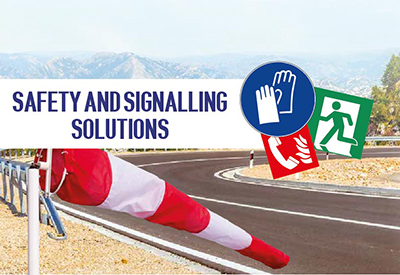
What is the use of Wind Socks ?

Windsocks are essential devices used to indicate wind direction and strength, often complementing signal flags. They play a crucial role in various environments, particularly on beaches, at airports, and in industrial zones. On beaches, they help assess safety conditions for swimming and water activities, enabling lifeguards and beachgoers to make informed decisions about safety.

By observing the direction in which the windsock is oriented and its degree of inflation, it's possible to determine wind speed, which is especially important for weather-sensitive activities like kitesurfing, sailing, or surfing. This not only helps prevent accidents but also aids in risk management for swimmers and sports enthusiasts.

What is the use of the Chequered Flag ?

The black and white checkered flag is used to demarcate areas specifically reserved for surfing and watercraft activities such as windsurfing, kitesurfing, or jet skiing. It plays a crucial role in marking zones where swimming is strictly prohibited, preventing any risk of collision between swimmers and water sports participants.

By clearly separating these areas, the checkered flag helps improve beach organization, ensuring the safety of all users while allowing everyone to enjoy aquatic activities with peace of mind. This signage aims to prevent potential accidents and create a secure environment for different types of recreational activities.

Decree No. 2022-105 of January 31, 2022 on Swimming Signage Regulations

Decree No. 2022-105 of January 31, 2022, introduces specific requirements regarding swimming signage in areas that are free and open to the public, developed, and authorized for swimming. The main goal of this regulation is to ensure clear and visible signage to prevent risks related to swimming.

According to Article D. 322-11-1, the signage must meet the following criteria:

1 - A mast is required to make the signals visible from any point within the swimming area, ensuring that swimmers can always identify the current safety status.

2 - Signals to be raised on the mast include:

A red rectangular flag with minimum dimensions of 1250 mm in height and 1500 mm in length. When this flag is raised at the top of the mast, it indicates that swimming is prohibited.